

Introduction
Think about the apps you open every day without even thinking about it.
Maybe it’s Instagram while your coffee’s still brewing. Maybe it’s Spotify the second you sit down to work. Or maybe it’s that weird muscle-memory thing where you check WhatsApp every ten minutes, even though you know there’s nothing new there.
Here’s the truth: most apps never get to that point.
We download things constantly. A new game, a productivity tool, something a friend mentioned. But that honeymoon phase? It lasts maybe 48 hours. If a mobile app doesn’t somehow slide into your routine fast, it gets deleted to free up storage, or worse, it just sits there in a folder on screen three, never opened again.
So what separates apps with strong mobile app user retention rates from the ones that don’t make the cut? After thinking about this for a while and looking at the apps that genuinely dominate people’s screen time, the answer isn’t really about features. It’s about how people feel when they use it.
And if you’re a business thinking about building one, this is exactly what a good mobile app development strategy needs to be built around from day one.
The Best Apps Don’t Feel Like Work
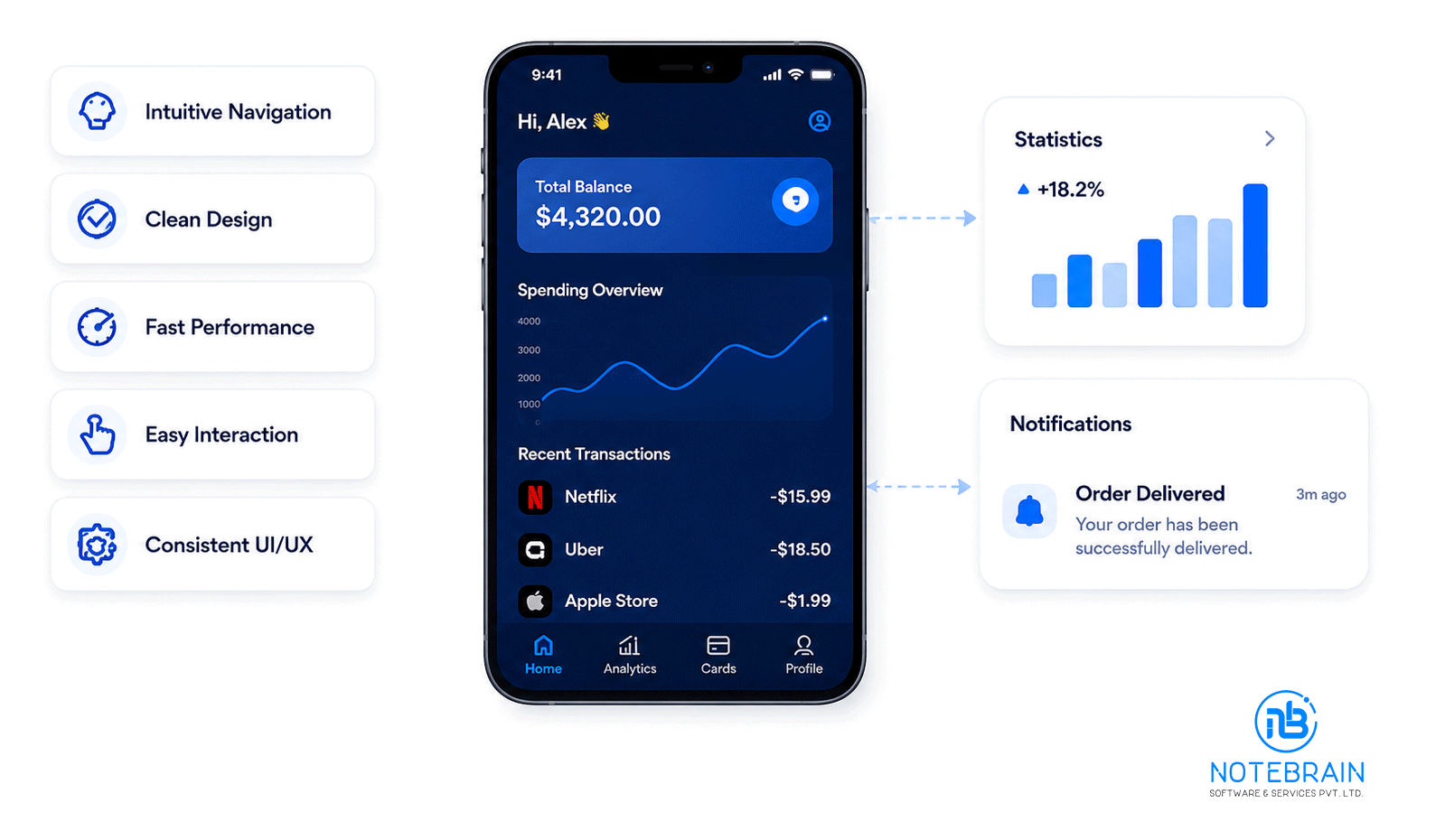
Simplicity isn’t just a design preference; it’s the whole retention strategy.
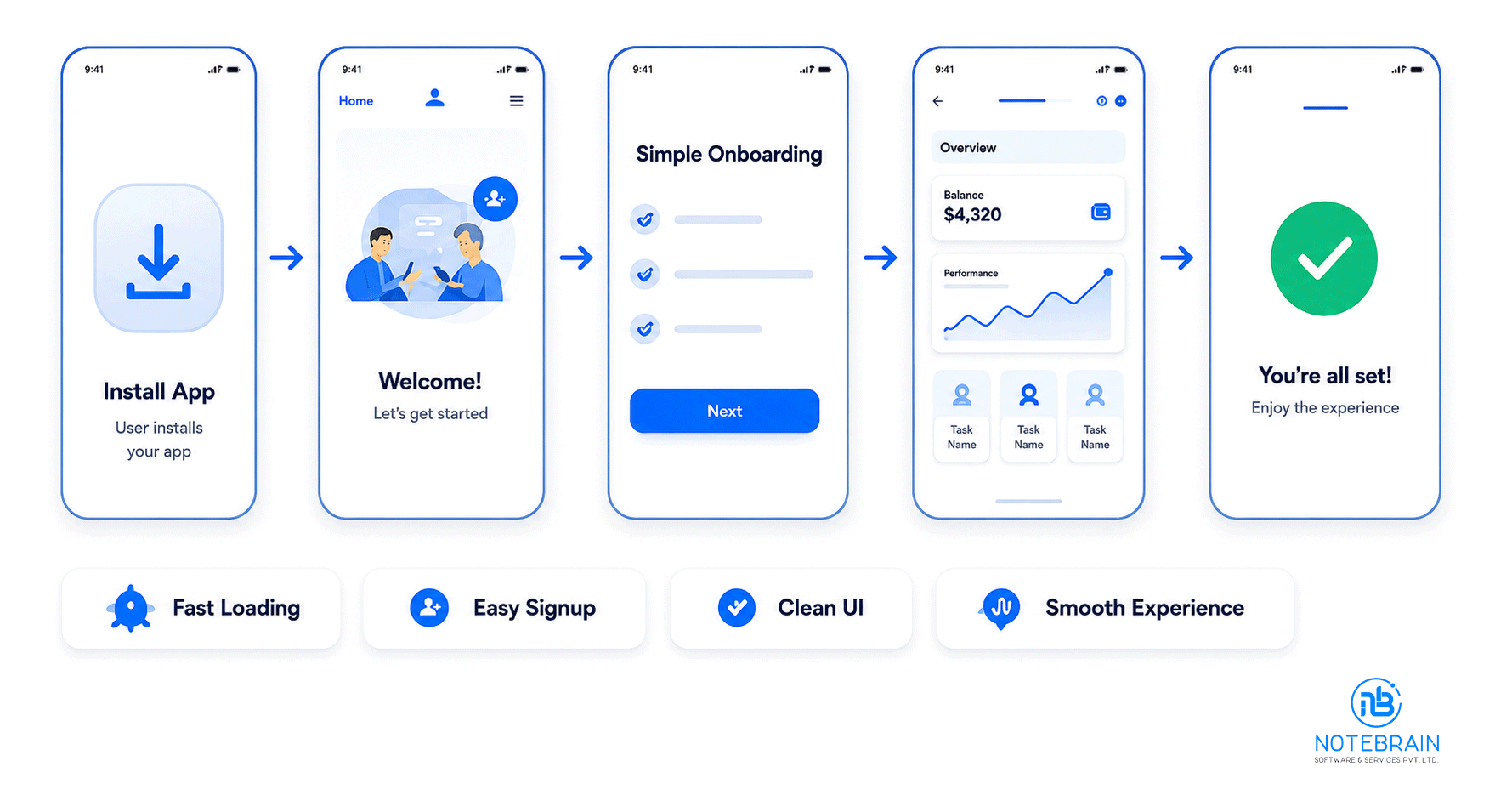
If someone has to “learn” how to use your app, you’ve probably already lost them. The ones that win make you feel competent immediately. TikTok is the most obvious example. There’s no tutorial, no onboarding checklist. You open it, and it’s already showing you stuff you want to watch.
Good mobile app UX design basically needs to answer three things within seconds:
- What even is this?
- Why would I use it?
- What do I tap next?
Any friction, slow loading, weird bugs, a registration form that asks for your life story before you can even see the app, gives people a reason to leave. And they will leave. Every extra step is a small window where they can change their mind.
This is why user-centered app development isn’t a buzzword; it’s the difference between an app people use daily and one that gets uninstalled by Thursday.
It Has to Fit Into the Gaps You Already Have
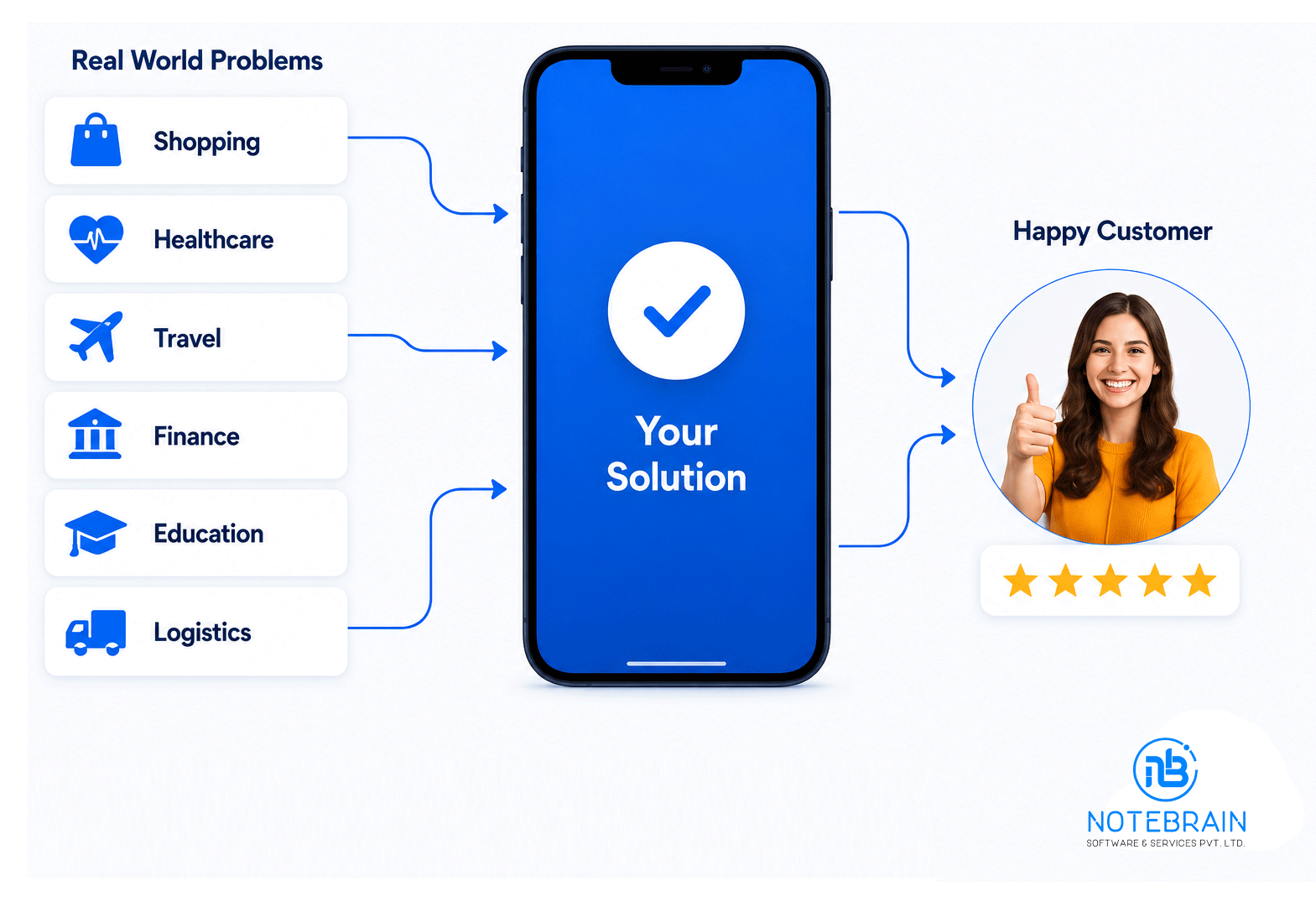
The most successful apps aren’t trying to revolutionize your life. They’re just fitting into the spaces that already exist in it.
Boredom on the couch? That’s where social media lives. The morning commute? Podcasts and music. That low-level panic when you realize you forgot to plan dinner? Delivery apps.
A lot of custom mobile app projects fail because they’re trying to be too clever, too “innovative”, while completely ignoring how people actually behave. If using your app feels like another task on an already overwhelming to-do list, it’s going in the bin.
The best iOS and Android app development teams spend just as much time studying user behavior as they do writing code because an app that fits naturally into someone’s day is worth ten that don’t.
There’s a Thin Line Between Helpful and Harassment
You know that feeling when you install something new, and suddenly your phone won’t shut up?
“We miss you!” “Come back and see what’s new!” “Your exclusive offer expires in 3 minutes!”
That’s not engagement, that’s just noise. People either mute those notifications (which is basically the first step toward uninstalling) or they delete the app entirely just to get some peace.
The apps we actually keep are the ones where the push notification strategy feels like a service, not a guilt trip. Is your flight boarding? Tell me. A friend sent a message? Obviously. A random nudge at 2 pm on a Tuesday for no reason? Come on.
Smart mobile app engagement is about sending the right message at the right moment, not just sending more messages.
The Small Win Is Underrated
There’s a reason streaks and badges feel so satisfying. We’re just wired to love progress, even tiny amounts of it.
Duolingo figured this out better than almost anyone. At some point, you’re not even doing the Spanish lesson because you want actually to speak Spanish. You’re doing it because you have a 100-day streak, and breaking it would feel like a personal failure. Which is kind of ridiculous, and also completely relatable.
Gamification in mobile apps is one of the most underused tools in the book. It’s a small emotional hit. But when an app makes you feel like you’re winning just by showing up, it stops being a utility and starts being something you actually want to open.
Whether it’s a fitness app, a learning platform, or a business tool, building these small reward loops into your app development process can be the difference between a one-week download and a two-year habit.
When an App Actually Feels Like It Gets You
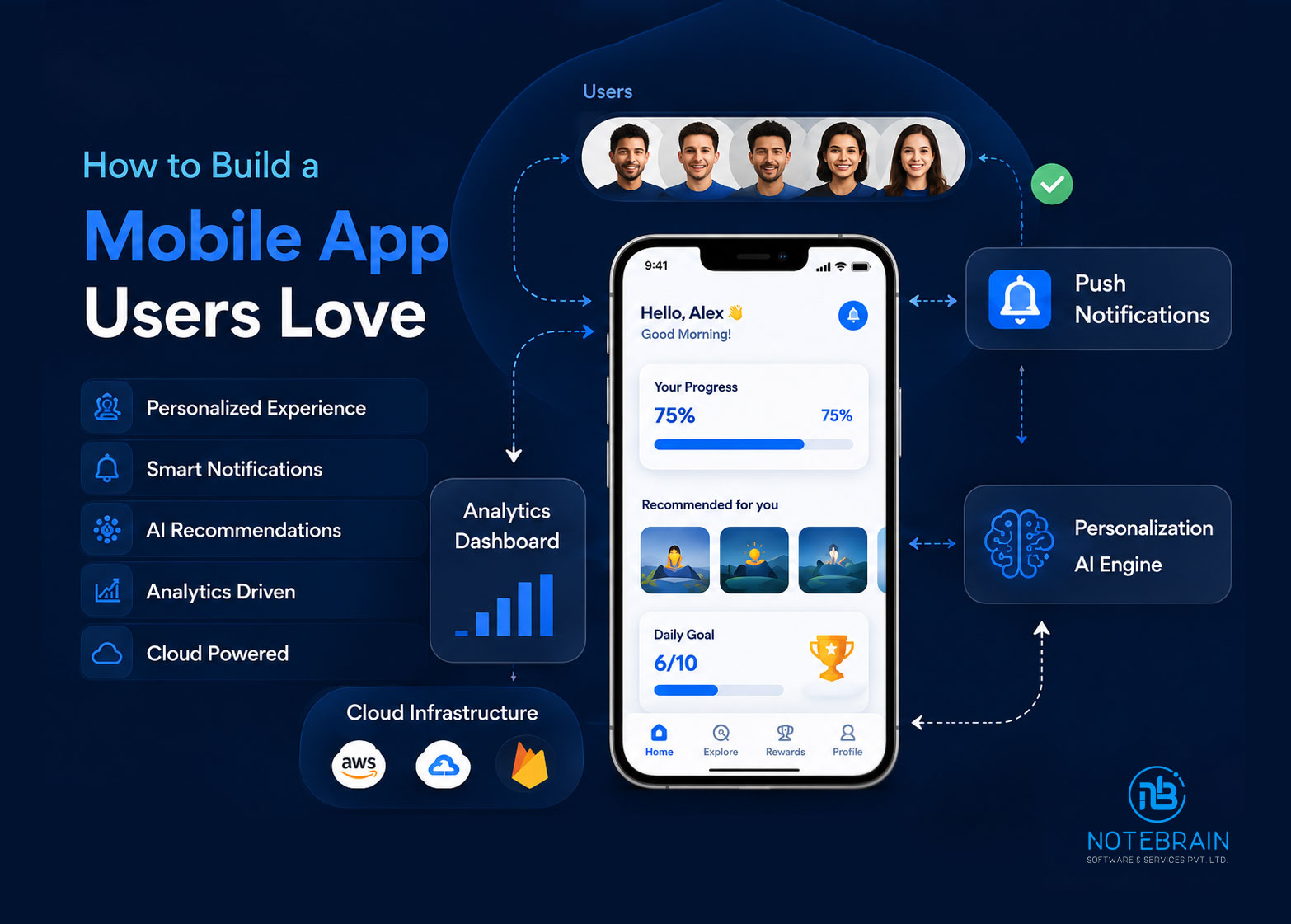
Personalization used to be one of those features that was nice but not essential. Now it’s kind of everything.
When Spotify’s Discover Weekly lands perfectly, songs you hadn’t heard but somehow already love, it creates a weird loyalty. You feel like the app knows you. And once you’ve built up that history, that learned taste, the thought of starting over somewhere else becomes genuinely unappealing. Why would you?
This is what AI-powered mobile app features and smart data usage can unlock for businesses. It’s not just about looking good; it’s about creating an experience so tailored that switching feels like a loss.
So What Does This Mean If You’re Building an App?
All of this, the seamless onboarding, the smart notifications, the gamification, the personalization, doesn’t happen by accident. It’s the result of deliberate decisions made at every stage of mobile application development.
The businesses that get this right aren’t just building apps. They’re building habits. And habits translate directly into loyal users, better reviews, and real business growth.
If you’re thinking about building a mobile app for your business, or if you’ve already got one that isn’t performing the way you’d hoped, it might be worth having a conversation about what’s actually going on under the hood.
Our team at Notebrains specializes in building mobile applications that are designed around exactly these principles: clean UX, smart engagement, and features that actually make users want to come back. Whether you’re starting from scratch or looking to improve an existing product, we’d love to help you build something people actually keep.
Frequently Asked Questions
A good mobile app retention rate depends on the industry, but retaining 25–30% of users after 30 days is generally considered strong. Consistently improving retention through better UX, personalization, and performance leads to higher long-term success.
Relevant and timely push notifications remind users about valuable updates, messages, or actions without becoming intrusive. Personalized notifications often drive higher engagement than generic promotional messages.
The most common reasons include poor user experience, slow performance, excessive notifications, lack of useful features, and apps that fail to provide ongoing value.
Conclusion
Users don’t care about your tech stack or your funding round. They care about how your app makes them feel.
Smarter? More entertained? A little less stressed?
The apps that end up on home screens, the ones people keep and would genuinely miss, are the ones built with real intention. They solve something without making users work for it. They fit into real life without demanding to be noticed.
In a world where attention is the scarcest thing there is, a well-built app almost always wins.